Written by: Alec Bigras
Reviewer: Editorial TeamWe've all been there, trying to describe something we know exists but can't quite name. "The metal thingy on the door." "The rubber seal around the fridge." "The glass part that keeps the cold out." You know what it does. You just don't know what it's called.
A window is full of those, but it’s actually the frame, sash, glass unit, hardware, seals —and every part has a specific job. When they all work together in a quality window, the result is a window that performs, lasts and looks great for decades.
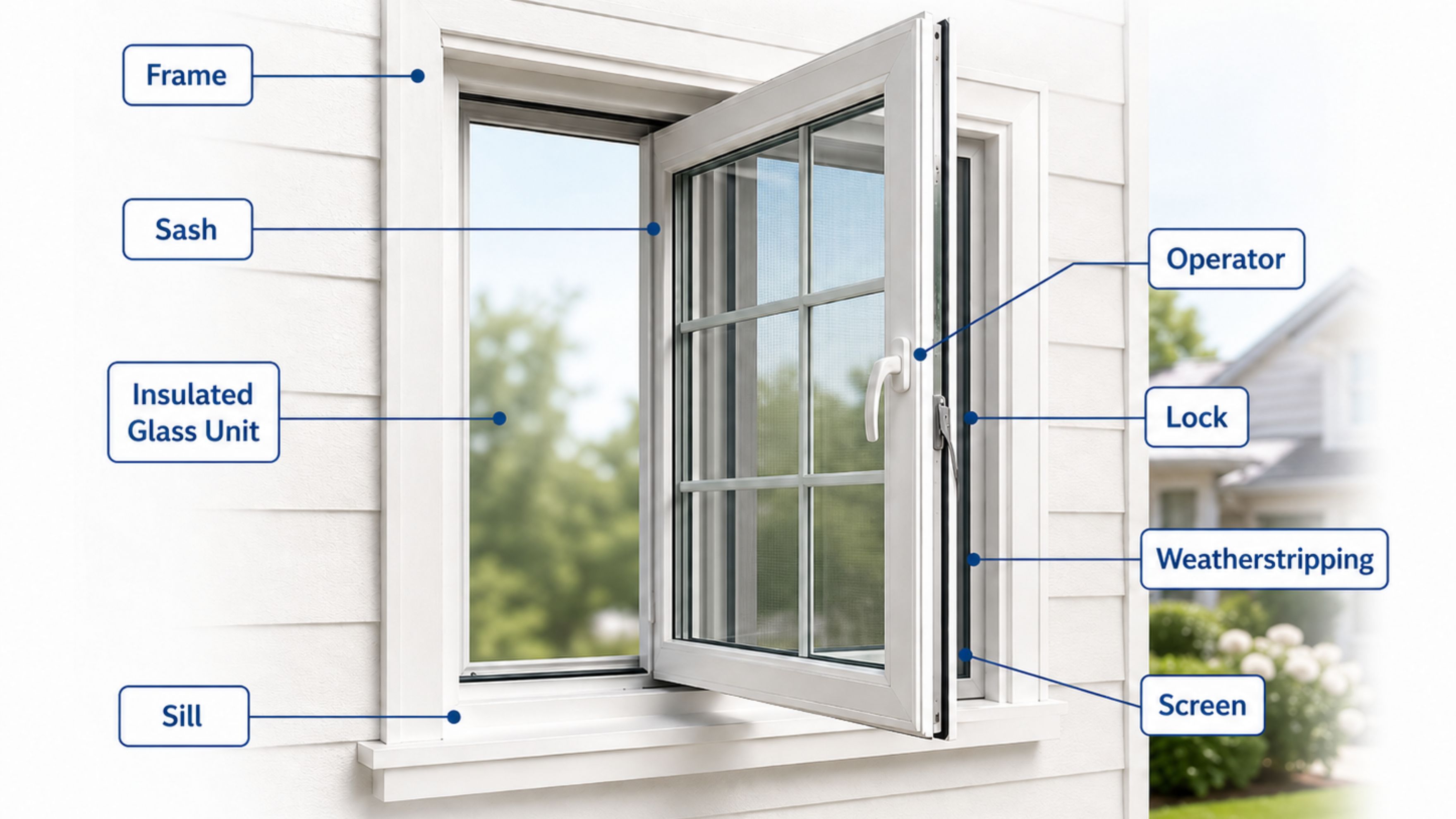
Knowing the parts of a window, what they're called, and what they do, helps you ask smarter questions, compare products with confidence, and make a decision you'll feel good about for years to come.
Whether you're getting your first quote or just tired of nodding along when someone mentions an IG unit or Googling "what even is a sash," this plain-English guide has you covered.
Quick Reference: Parts of a Window
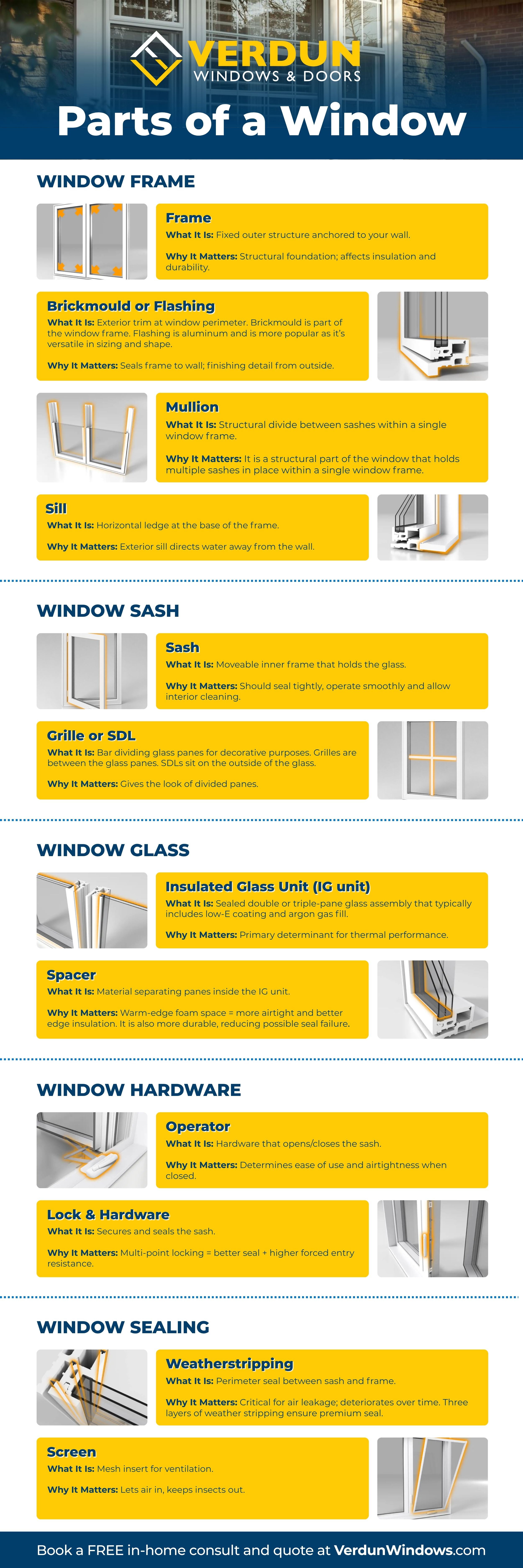
Window Frame Vocabulary
What Is a Window Frame?
The window frame is the fixed outer structure that surrounds the entire window and anchors it into the wall of your home. It supports every other component and creates the primary seal between your window and your house.
Think of it as the foundation. Everything else is only as good as what it's sitting in.
A complete window frame has several sub-components. Each one plays a role in how the window fits, seals, and looks inside your home.
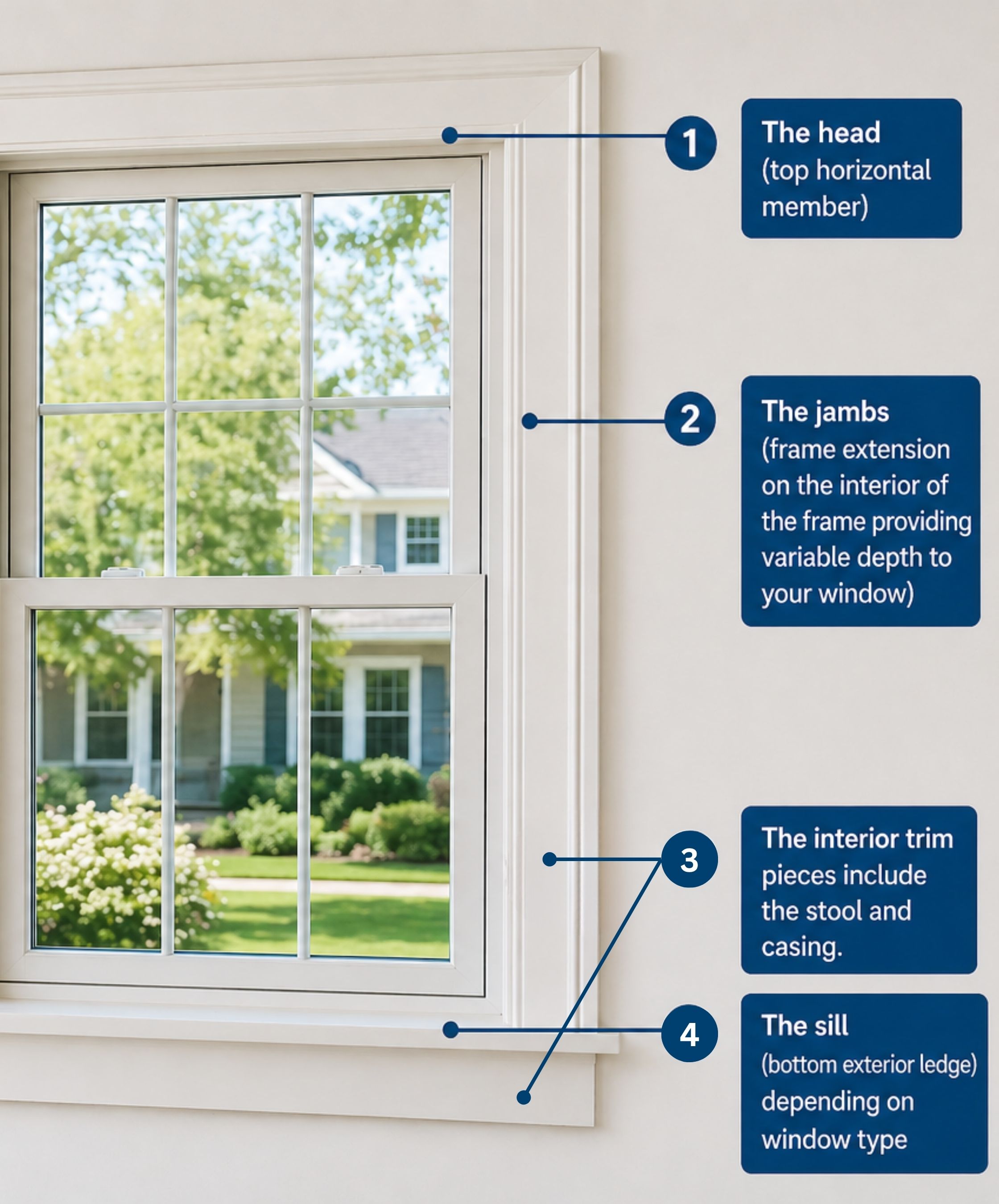
The main parts of a window frame include:
- The head (top horizontal section)
- The jambs (frame extension on the interior of the frame providing variable depth to your window)
- The sill (bottom exterior ledge) depending on window type
- The interior trim pieces include the stool and casing.
What Are the Common Window Frame Materials?
The material, and how it's constructed significantly affects durability, energy performance, and how the frame holds up over time. Vinyl (PVC) is the most common window material as it handles humidity much better than wood, for example. In Canada, where we swing between humid summers and brutal winters, that matters more than most people realize. Less maintenance, longer lifespan, and no rotting frames.
However, not all vinyl is the same. Look for windows made with solid-core mPVC (microcellular PVC) rather than standard hollow vinyl.

Verdun’s exclusive RevoCell® technology utilizes solid-core mPVC (microcellular PVC). It is designed to create a dense, foam-like solid core by forming billions of microscopic air bubbles distributed throughout the entire material. This unique design effectively traps air, with each microscopic bubble interrupting the heat or cold as it travels through the frame, acting like a buffer. The more air bubbles, the more moderation, the more energy-efficient the window.
In contrast, most standard windows on the market use lightweight, hollow vinyl frames with internal air chambers. However, in cold climates like Ottawa (where winters drop below -30°C), these windows don’t do the best job at insulating your home.
It's the difference between a wall of insulation and an empty wall (not accepted in the building code) going to work for you every single day.
You may also find fibreglass, aluminum, and wood windows, which are on the more expensive end of the budget (sometimes double or more), and not as energy-efficient (often not ENERGY STAR® certified).
What Is Brickmould or Flashing on a Window?
Brickmould or flashing is the exterior trim piece that runs around the outside of the window frame. Either type bridges the gap between the frame and your exterior wall, siding or brick.
Brickmould is part of the frame. It creates a weathertight seal at the installation perimeter and gives the window a clean, finished look from outside.
Window flashing is typically made from aluminum. Installed during the window installation process, wrapping the perimeter of the rough opening to create a continuous water barrier before any finishing trim goes on. Think of it as the window's raincoat. What you see on the outside looks clean and finished. What's behind it is doing the real work every time it rains.
The flashing is typically made from aluminum, which makes it bendable enough to conform to different wall profiles and versatile enough to work across a wide range of home exteriors — brick, siding, stucco, you name it. That adaptability is a big part of why it has become the preferred approach in professional window installation, including at Verdun.
Window brickmould and flashing should be caulked and sealed properly on installation day. A gap here, however small, is a direct pathway for water infiltration, which can lead to bigger problems down the road. Verdun backs its professional installation as part of our No-Bull 25-year warranty that includes parts, labour and service —no fine print.
What Is a Mullion?
A mullion is the vertical or horizontal structural member that divides a window opening containing multiple window sashes within a single window frame.
This is needed when a window opening calls for more than one sash. A picture window with casements on either side, for example.
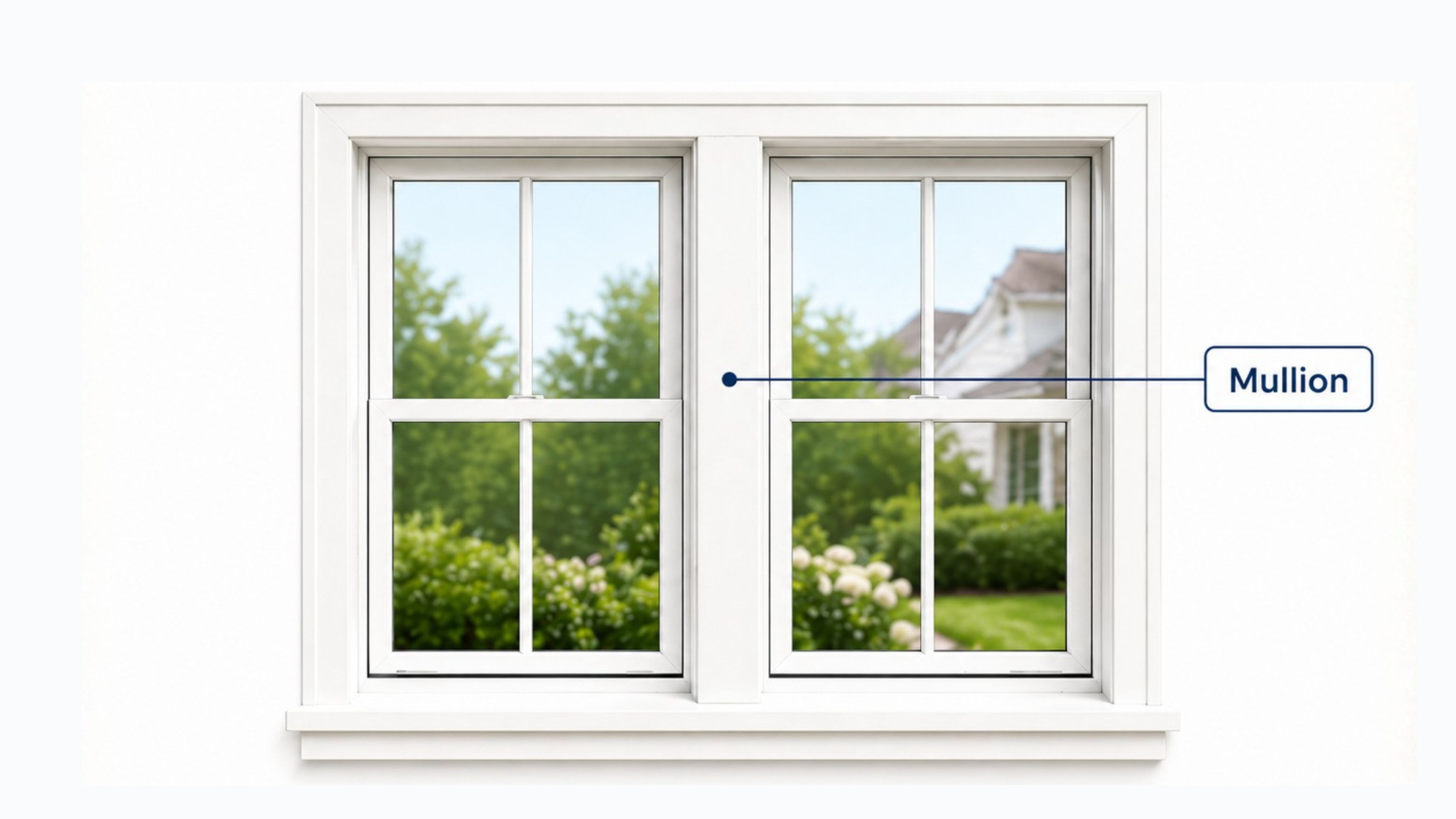
One frame, one mullion — the Verdun way. Structurally stronger, slimmer profile, more glass and better sealing against condensation.
Verdun builds these configurations as one continuous frame with integrated mullions. Most other manufacturers take the simpler route and install two completely separate frames side by side. It works, but here's what you actually give up when they do.
- Structural integrity. One frame, one mullion, four welds. Simpler, stronger, less that can go wrong. Two separate frames mean eight weld points holding the assembly together instead of four. More welds mean more potential weak points over time. One frame, one mullion, four welds. Simpler, stronger, less that can go wrong.
- Condensation risk. A mullion is a continuous solid member with no gap, no air infiltration and no condensation to worry about. However, when its two separate frames, where they meet there's a gap, and gaps let air in. That trapped air infiltration creates condensation inside the window assembly itself. Not on the glass you can wipe down, but inside the unit.
- More glass, more light. A single mullion is slimmer than two frames sitting side by side. Less frame, more glass, more natural light coming into your home.
This is one of those details that's invisible once the window is installed but makes a real difference in how it looks and how it performs.
Mullion vs. grilles and SDLs can be easy to mix up. Mullions divide window sashes and are structural needing to be properly integrated into the frame system. Grilles and SDLs divide glass panes as a decorative element. More on that below.
What Is a Window Sill?
The window sill is the horizontal ledge at the bottom of the window frame, on both the interior and exterior.
The exterior sill (also called the subsill or sill pan) is designed to slope slightly outward so water drains away from the wall rather than pooling against it. The interior sill (sometimes called the stool) is the flat surface on the inside that you might set a plant on.

Window Sash Vocabulary
What Is a Window Sash?
A window sash is the inner frame that holds the glass and is the part that actually moves.
Depending on your window type, the sash type determines how the window operates and directly affects how well it seals.
- Hung Windows: There are two sashes, a top and a bottom, and either one (single-hung) or both (double-hung) can move.
- Casement Window: The sash swings outward on hinges like a door.
- Slider Windows: The sash(s) glides horizontally.
- Awning Window: The sash tilts outward from the bottom.
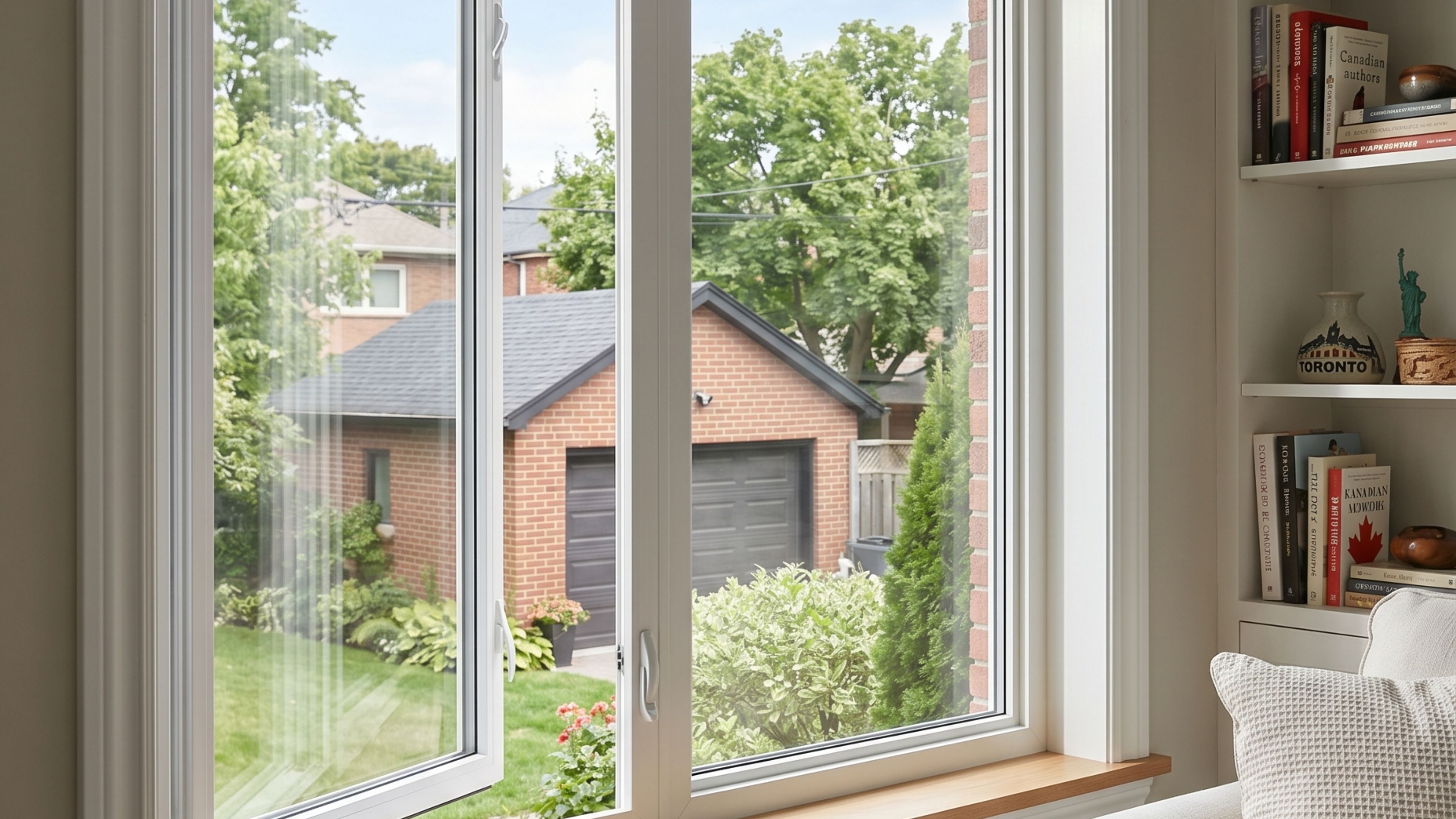
The sash is the most worked component of your window. A well-built sash operates smoothly and seals tightly when closed. It should feel solid, not flex or rattle when you move it. Ideally, it can be tilted or removed from the interior for cleaning so you're not climbing a ladder to wipe down the outside glass.
What Are Window Grilles or Simulated Divided Light (SDL)?
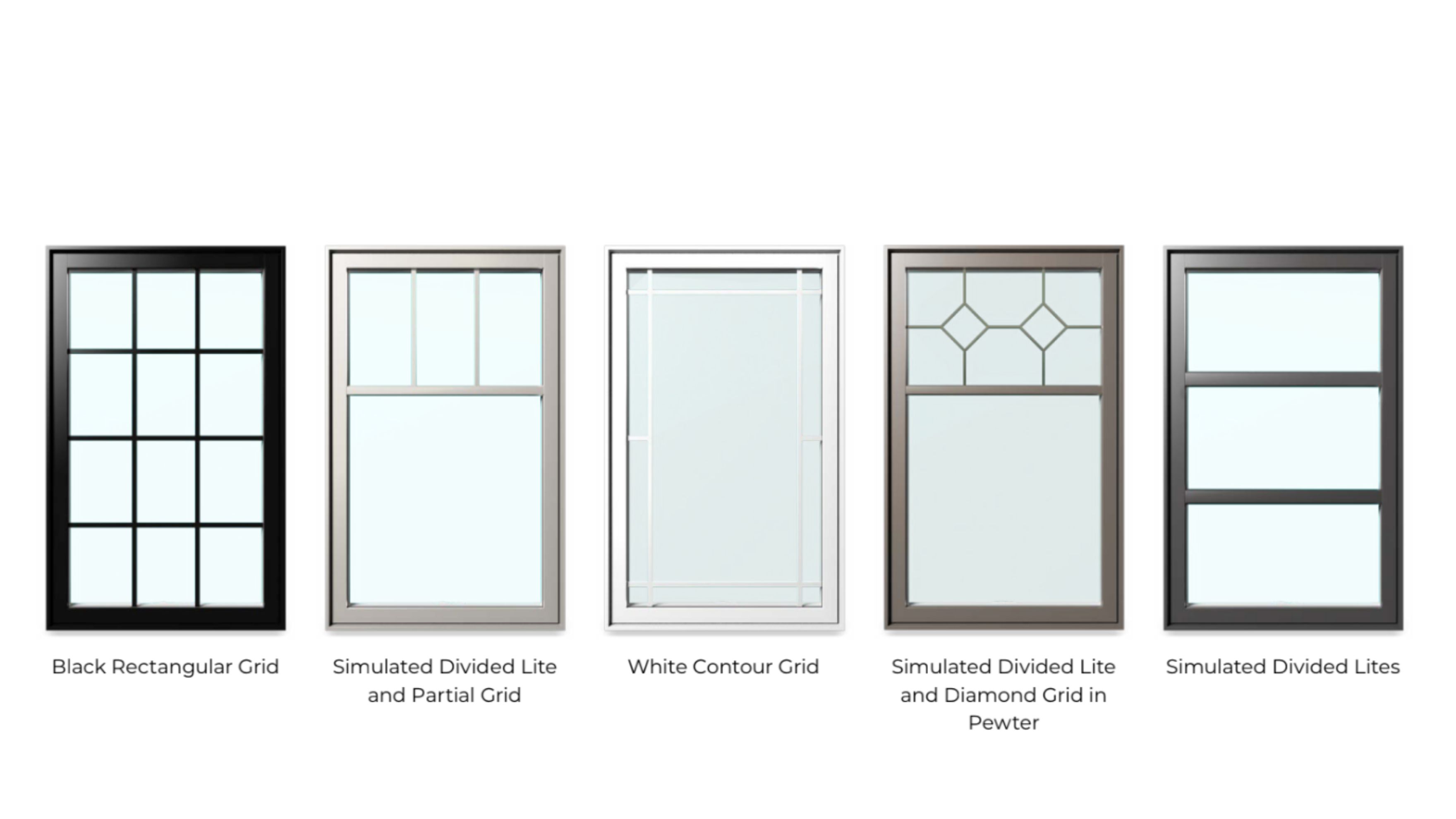
A grille or SDL is a decorative element that simulates divided panes. Grilles sit in between the panes of glass. SDL on the other hand sit outside the panes of glass.
Grilles are far more common today because of aesthetic purposes. It gives the look of traditional divided-light windows without the cleaning challenge of SDLs.
Window Glass Vocabulary
What Is an Insulated Glass Unit (IG Unit)?
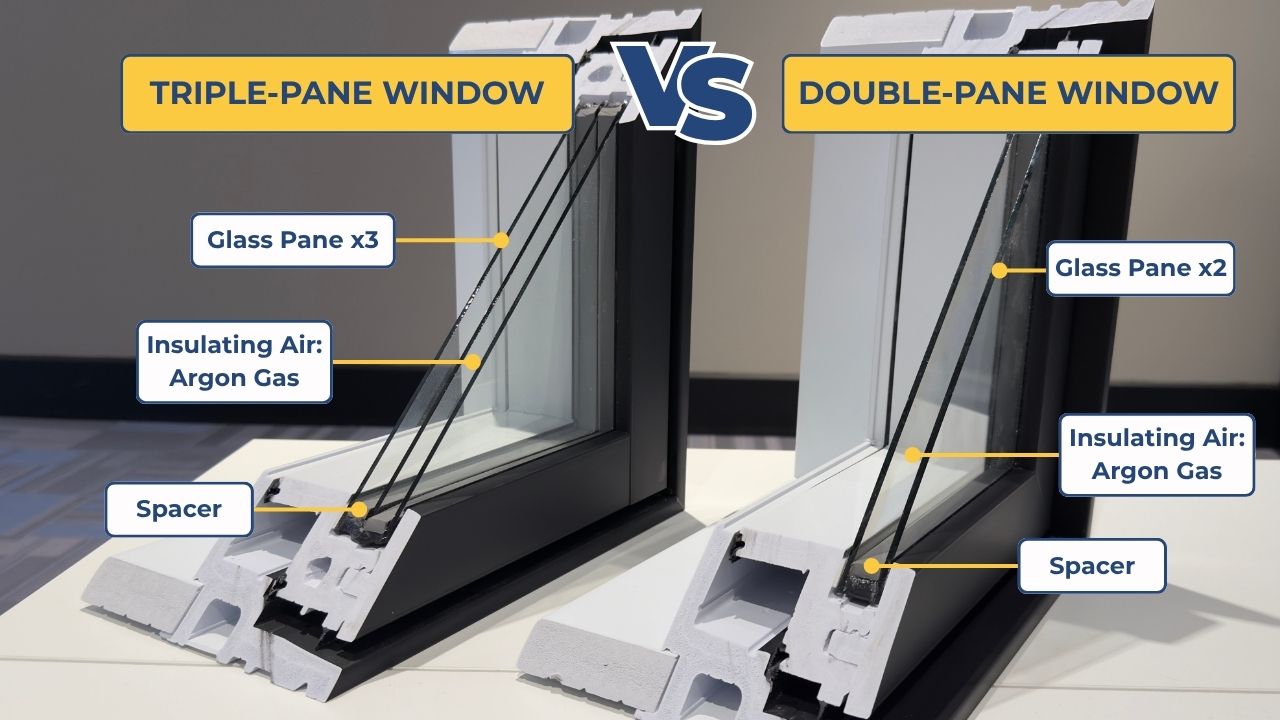
An insulated glass unit (IG unit) is the glass portion of your window. It's not just a sheet of glass — it's two or three panes of glass sealed together with a gap between them, filled with an insulating gas (typically argon).
That gap, and that gas, is what creates the thermal barrier between your cozy living room and whatever Ottawa is throwing at you outside.
In addition to the window frame, the glass is another component that affects the energy performance of a window.
Energy Rating (ER) and U-factor:
When comparing windows, you'll see an Energy Rating (ER) value associated with that window. ER is a Canadian-specific number that factors in U-factor, solar heat gain and air leakage together. Higher ER is better for Canadian climates.
All Verdun windows are ENERGY STAR® certified, with most standard configurations being ENERGY STAR® Most Efficient certified. This means our windows meet or exceed the performance standard designed to handle Canadian climate, hot or cold all year round.
What's worth knowing is that Verdun's double-pane slider, hung and casement standard configuration windows consistently perform at ER 40. This often approaches, and sometimes even exceeds, the thermal performance of competitors' triple-pane products. It's the kind of efficiency you'd expect to pay significantly more for, without having to.
What Is a Spacer?
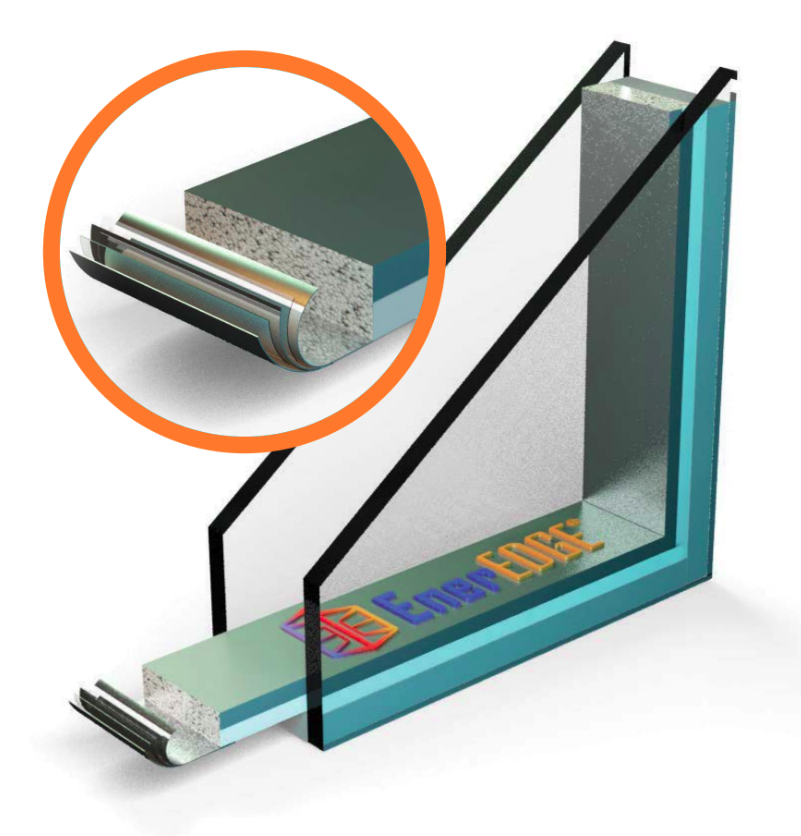
A spacer is the component inside an IG unit running around the perimeter that separates the glass panes and holds the seal. That’s why you often see condensation and frost forming around the edges of older windows in winter.
Warm-edge spacers (like the EnerEDGE® system used in our windows) are made from low-conductivity materials. This keeps that edge warm and prevents condensation from forming at the perimeter. Less condensation and less moisture damage over time.
What Is Argon Gas in Windows?
Argon is an inert, colourless gas used to fill the cavity between glass panes in an IG unit. It transfers heat less readily than air, improving the window's overall thermal resistance.
Argon is the standard fill gas for most Canadian ENERGY STAR® certified windows. It reduces convective heat transfer between panes without affecting clarity or visible light.
Window Hardware Vocabulary
What Does a Window Operator Do?
A window operator is the hardware mechanism that controls how the sash moves.
On casement and awning windows, it's typically a fold-down crank that drives a geared arm to push the sash outward. On hung and slider windows, the sash is moved by hand and held in position by a spring balance or friction system.
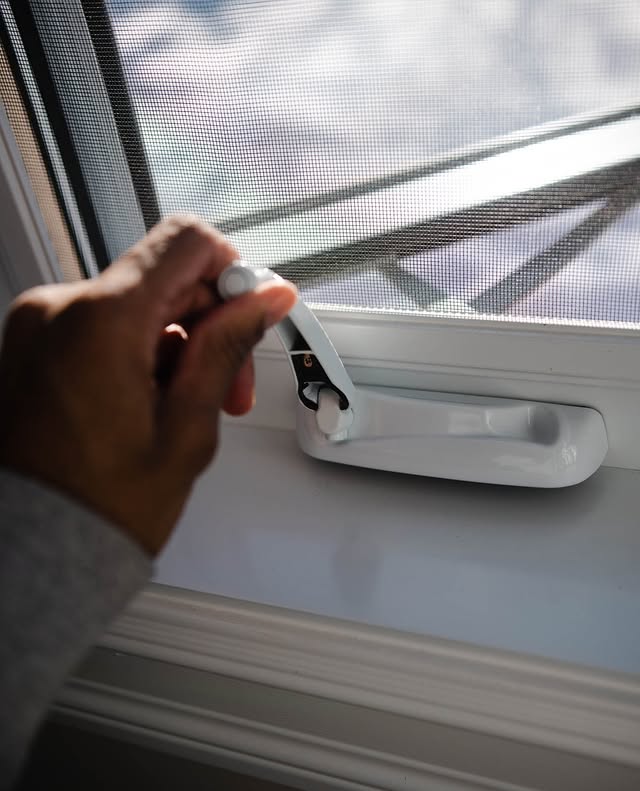
A quality operator opens the sash smoothly, holds it at any position without slipping, and pulls it closed securely against the weatherstripping to stop air leakage.
What Types of Window Locks Are There?
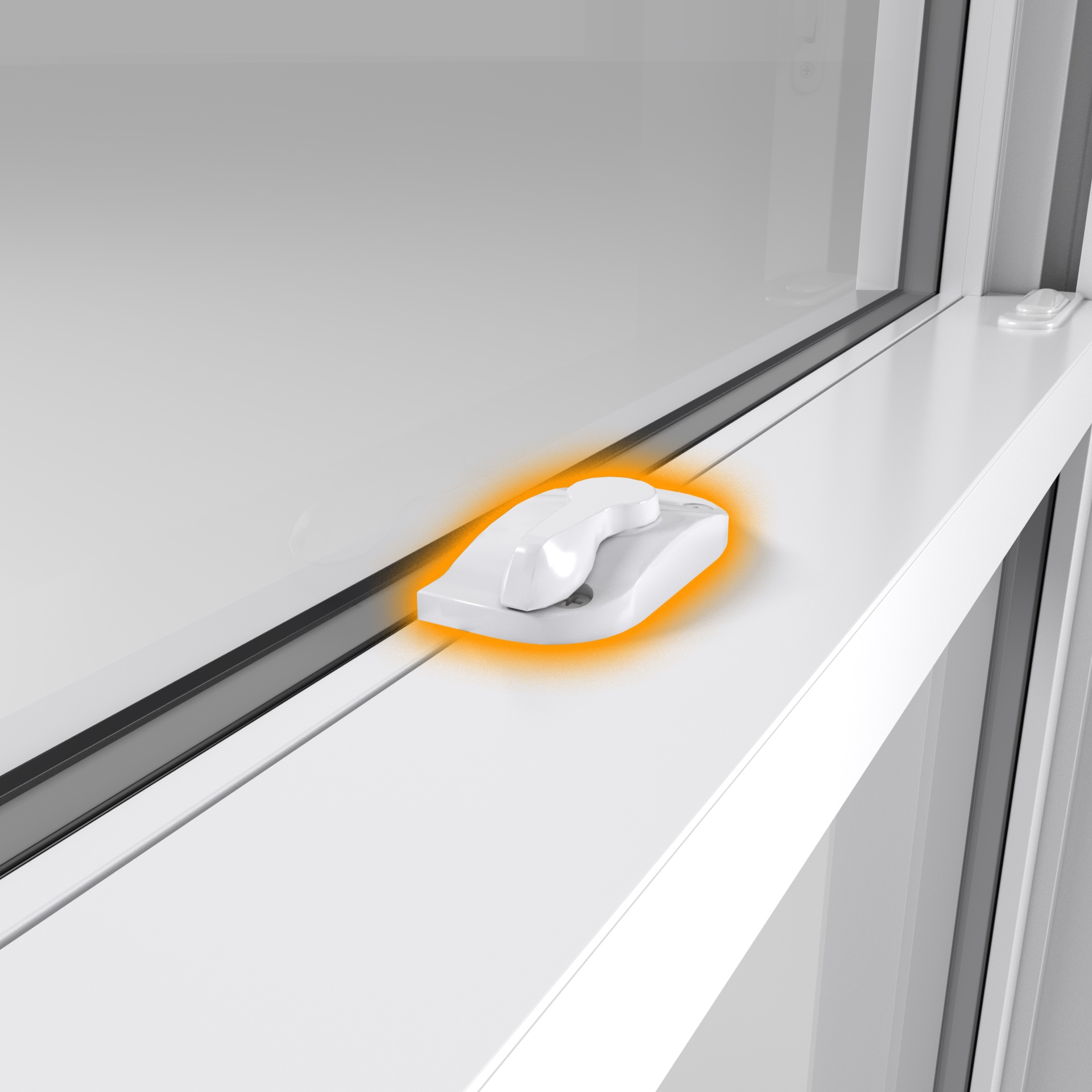
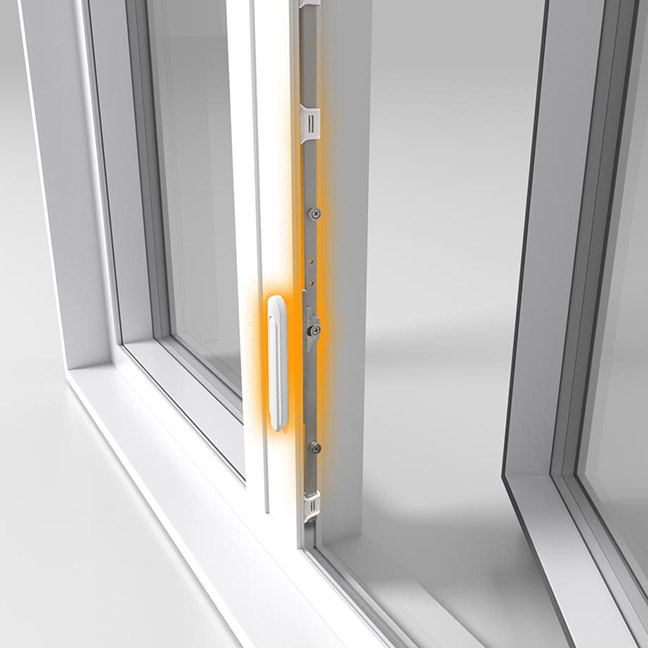
Window locks secure the sash in the closed position and compress the weatherstripping for an airtight seal. The most common types of locks in Canadian windows are single-point (which you may find on lower-quality windows), cam-action locks (on hung and slider windows) and multi-point locks (on casement and awning windows).
A cam-action lock draws the top and bottom sashes together against the weatherstripping and you flip a lever to secure the sash in place. Integrated sash latches keep the operable sash from shifting around when you don't want it to.
A multi-point lock engages at the top, middle and bottom of the sash, compressing the weatherstripping evenly and creates a tighter, more consistent seal across the entire sash. It's also better for added security. Verdun windows use only multi-point locks on our casement windows.
Single-point locks while they may look lock well at the locking point, they struggle to seal tightly across the height of a tall window. That’s why this is not something you’ll see on a Verdun window.
Window Sealing Vocabulary
What Is Weatherstripping on a Window?
Weatherstripping is the continuous seal that runs around the perimeter of the sash. It creates an airtight barrier between the sash and the frame when the window is closed.
It's one of the most important components for long-term energy performance, and one of the first to be affected by age. It doesn't fail dramatically. There's no warning light. No error message. It just quietly loses elasticity over the years of use until one morning in February you're standing next to a closed window in your own home, wondering why your feet are cold.
Multi-layer weatherstripping provides redundancy. If one compression seal degrades over time, the second continues doing its job. Verdun windows use triple weatherstripping running continuously around the full sash perimeter — two inner compression seals that create a proper airtight barrier, and a third outer fin seal that acts as a dust guard.
What Does The Window Screen Do and Is It Important?
A window screen is a mesh insert in its own frame that allows ventilation while keeping insects and debris out.
Screens are available as half-screens (for the operable portion of hung and slider windows) or full screens (for casement and awning windows).
What makes a good screen is that it should be easy to remove for cleaning or seasonal storage. No ladder or screwdriver needed, just a quick lift-and-pull. Verdun also offers flex screens with a much thinner frame that provides a more seamless look from the outside that blends with the frame.
Also, look for screens with durable mesh — fibreglass mesh is softer and less likely to tear, while aluminum mesh is more rigid and pet-resistant.
Why Does Any of This Matter?
When you know the parts of a window, you can have a real conversation about your windows. You can ask your sales rep: "What's the warm-edge spacer made of?" "Is the frame solid-core or hollow?" "Can the sash be removed from inside for cleaning?" They're the questions a good window company should be happy to answer because they have nothing to hide.
At Verdun, we think an informed homeowner is the best kind of homeowner. We'd rather spend 15 extra minutes making sure you understand exactly what you're getting. You feel good about it long after the installation crew has packed up and gone home. That matters to us more than a quick yes at the kitchen table.
That's what being Ottawa and Gatineau's trusted neighbour actually looks like.
Frequently Asked Questions
What is the most important part of a window for energy efficiency?
Every part plays a role. However, the frame and insulated glass unit (IG unit) have the greatest direct impact on your home's energy performance.
Verdun offers all of the following for premium energy efficiency. All windows are solid-core mPVC frame with the exclusive RevoCell® technology and include a high-quality IG unit with a warm-edge spacer and multi-layer weatherstripping that keeps heat inside and drafts out.
What is window casing?
Window casing is the interior trim that surrounds the window frame, covering the gap between the frame and the finished wall. It's functional, sealing the interior perimeter. It also gives the window a clean, finished appearance from inside the room. The piece that runs horizontally across the top is the head casing; the vertical pieces on each side are the side casings.
What does weatherstripping do?
Weatherstripping seals the gap between your window sash and frame when the window is closed. It keeps cold air out, warm air in, and your heating bill in check. It's one of the hardest-working parts of a window, and one of the first to show its age.
Verdun windows use triple continuous weatherstripping running uninterrupted around the full sash perimeter.
What is a warm-edge spacer, and does it matter in Ottawa?
Yes — especially in Ottawa where winter temperatures can go to -30°C. A warm-edge spacer is the bar inside your IG unit that separates the glass panes.
Verdun uses a flexible foam EPDM warm-edge spacer "ENER-EDGE" by Tremco made from a low-conductivity material instead of traditional aluminum. It helps keep that edge warmer and keeps problems like cold edges, condensation, and thermal bridging at bay.
About Verdun
Verdun Windows & Doors has been manufacturing and installing windows and doors for Ottawa and Gatineau homeowners for over 40 years. Every product is custom-built in Canada, every installation is managed by one accountable team from start to finish, and every job is backed by the 25-Year No-Bull Warranty, covering product, parts, labour, and installation with no fine print.